

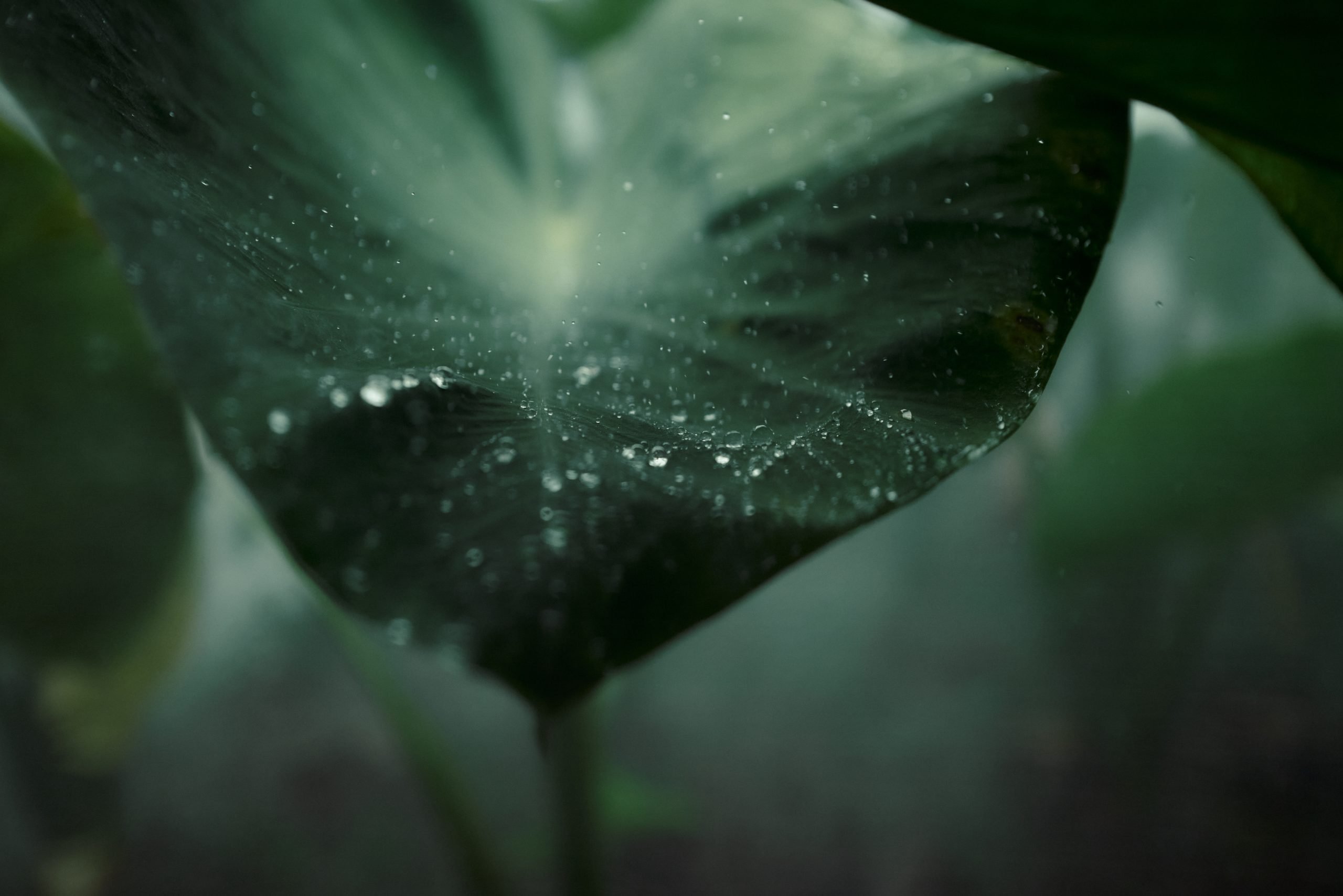
Nani ke kalo sets the tone for everything that takes place at Kapalai, especially how we carry ourselves with our actions. As the main staple of the Hawaiian people, kalo was considered sacred, and when working with or preparing it to be eaten, great respect must be shown. Because everyone’s life has purpose and meaning, learning to love, care for, and respect oneself is essential to being able to respect others and the ʻāina. Students are encouraged to reflect on their thoughts about themselves and, if needed, shift their perspective to recognize the value of their own life. The expression nani ke kalo is used as a reminder that we are all sacred and must carry ourselves with dignity, while also encouraging others to do the same through our words and actions.
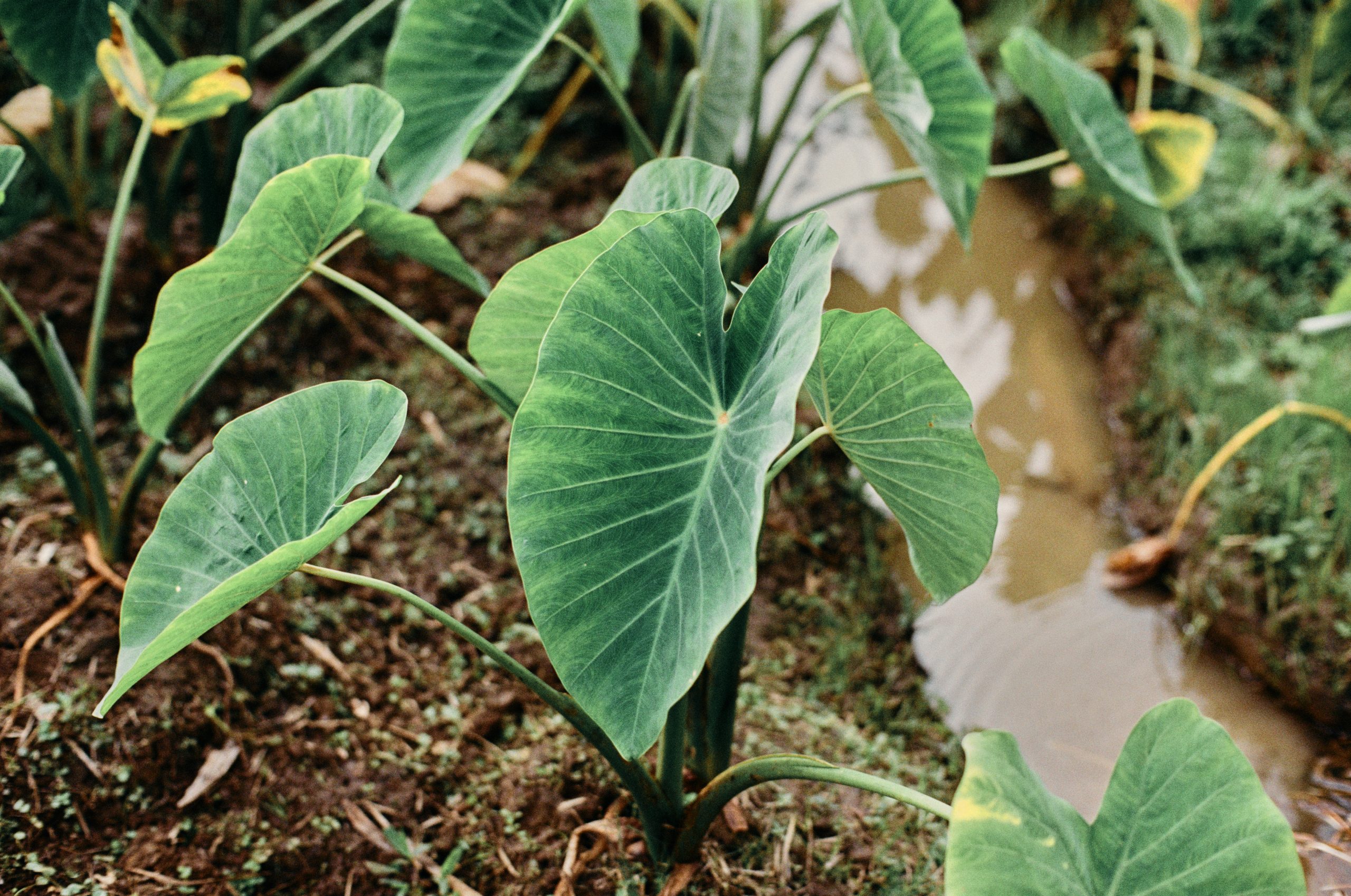
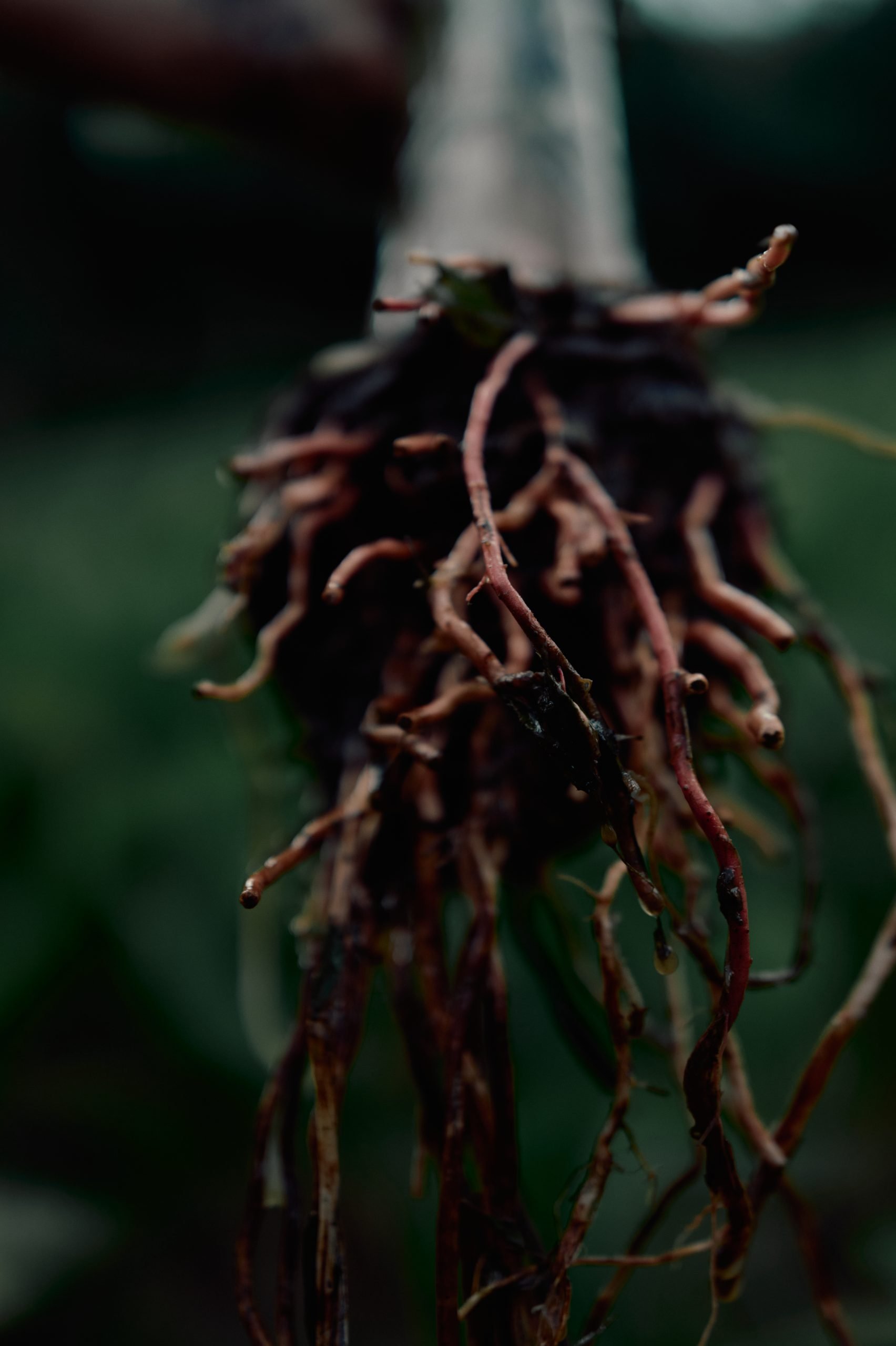
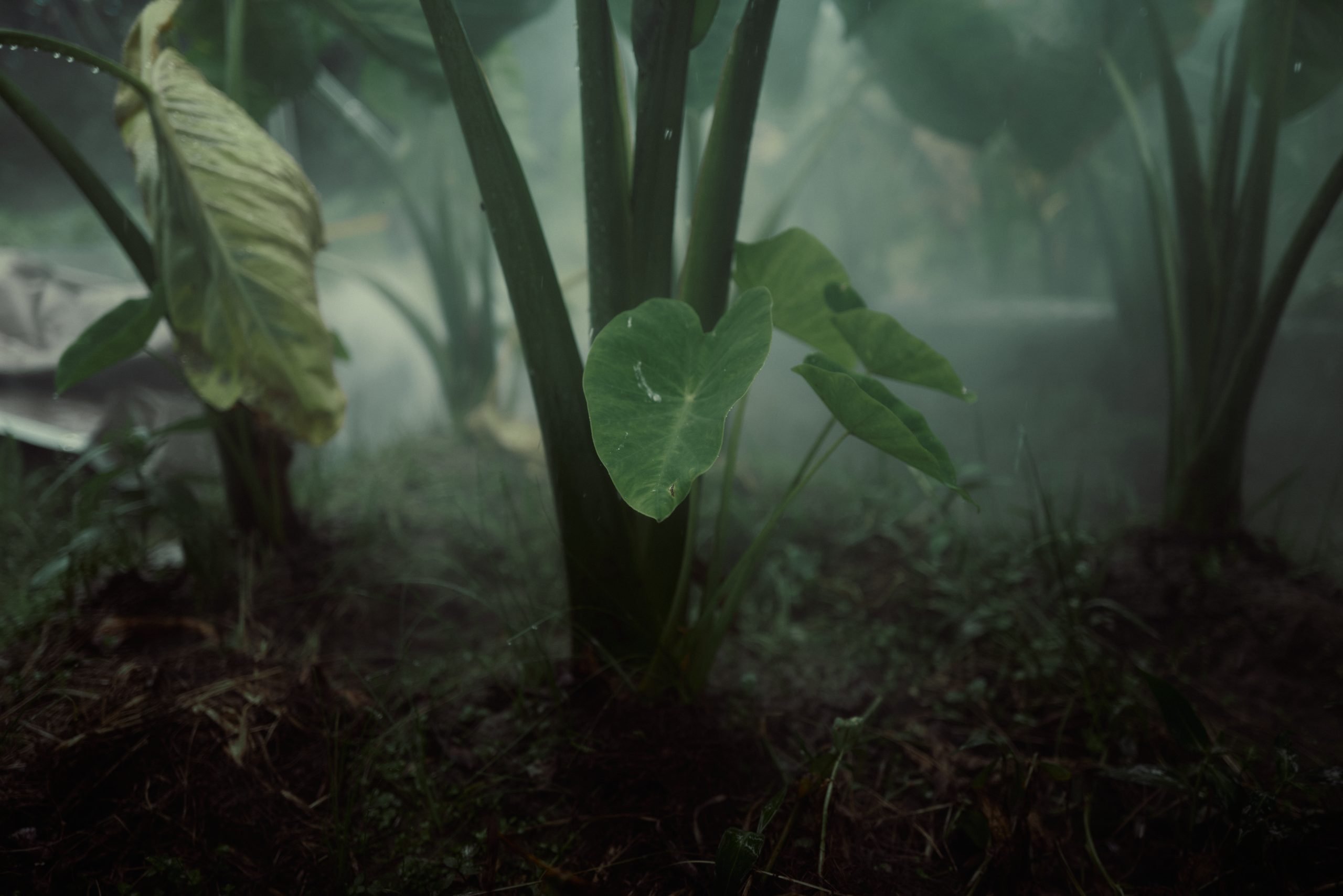
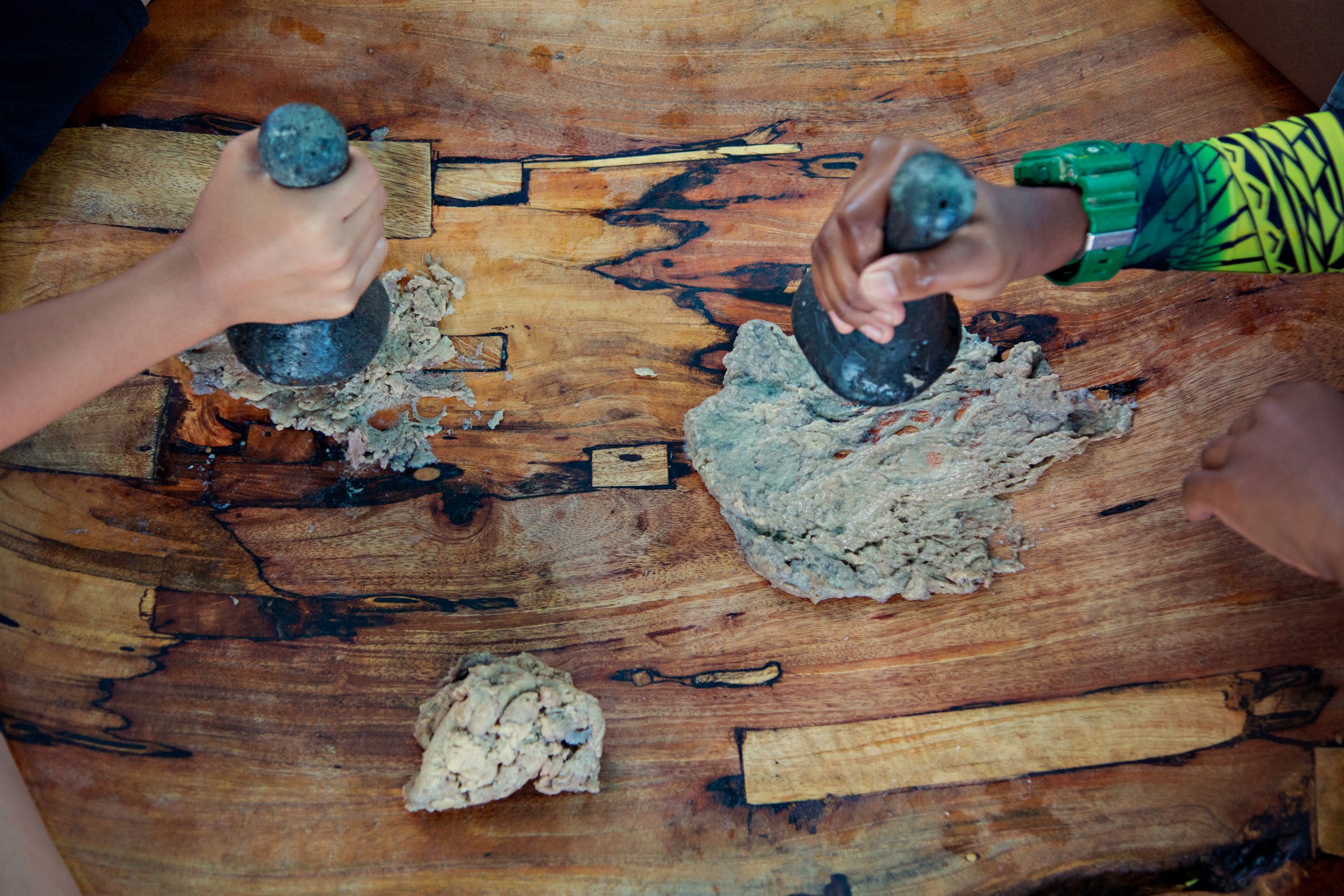
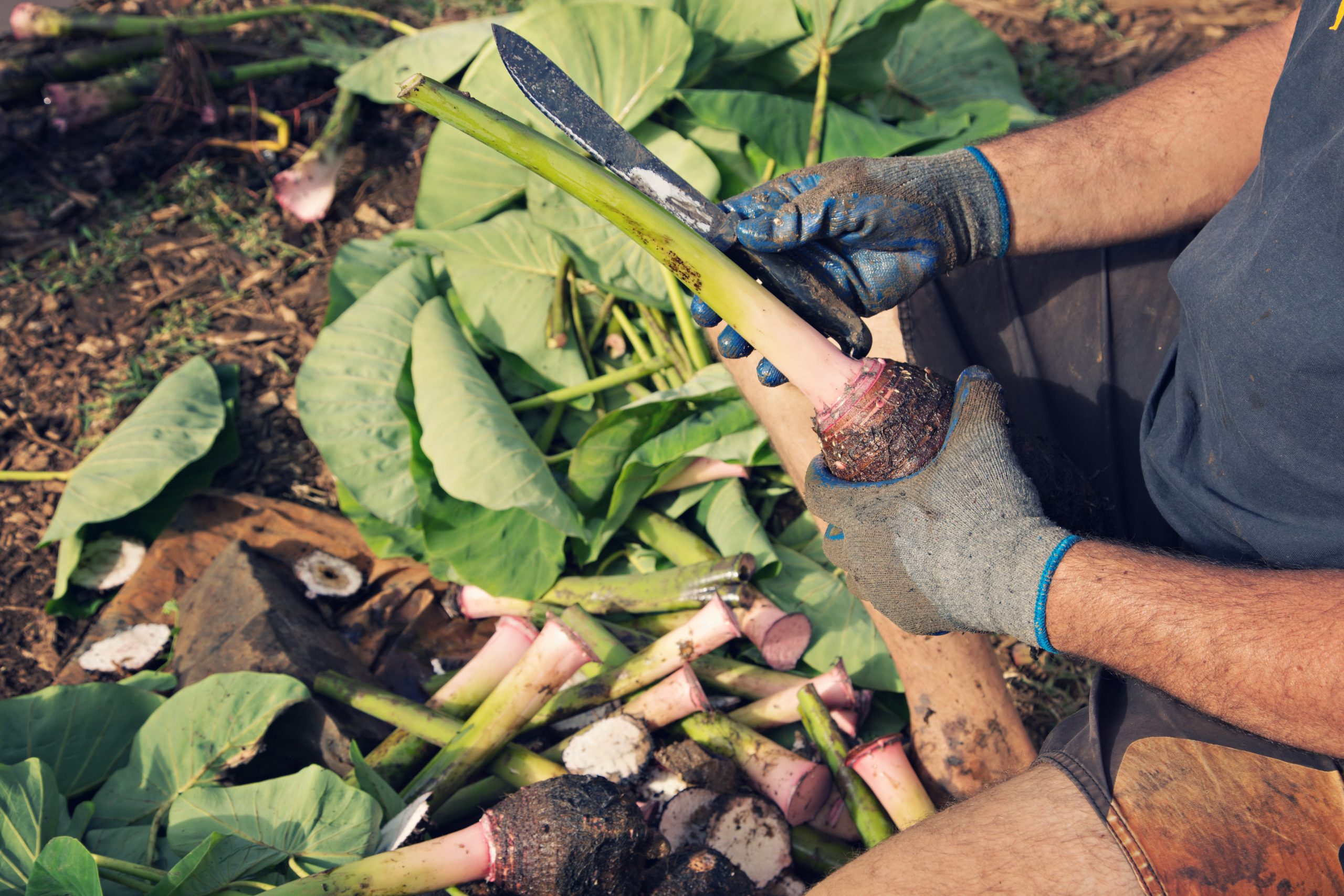
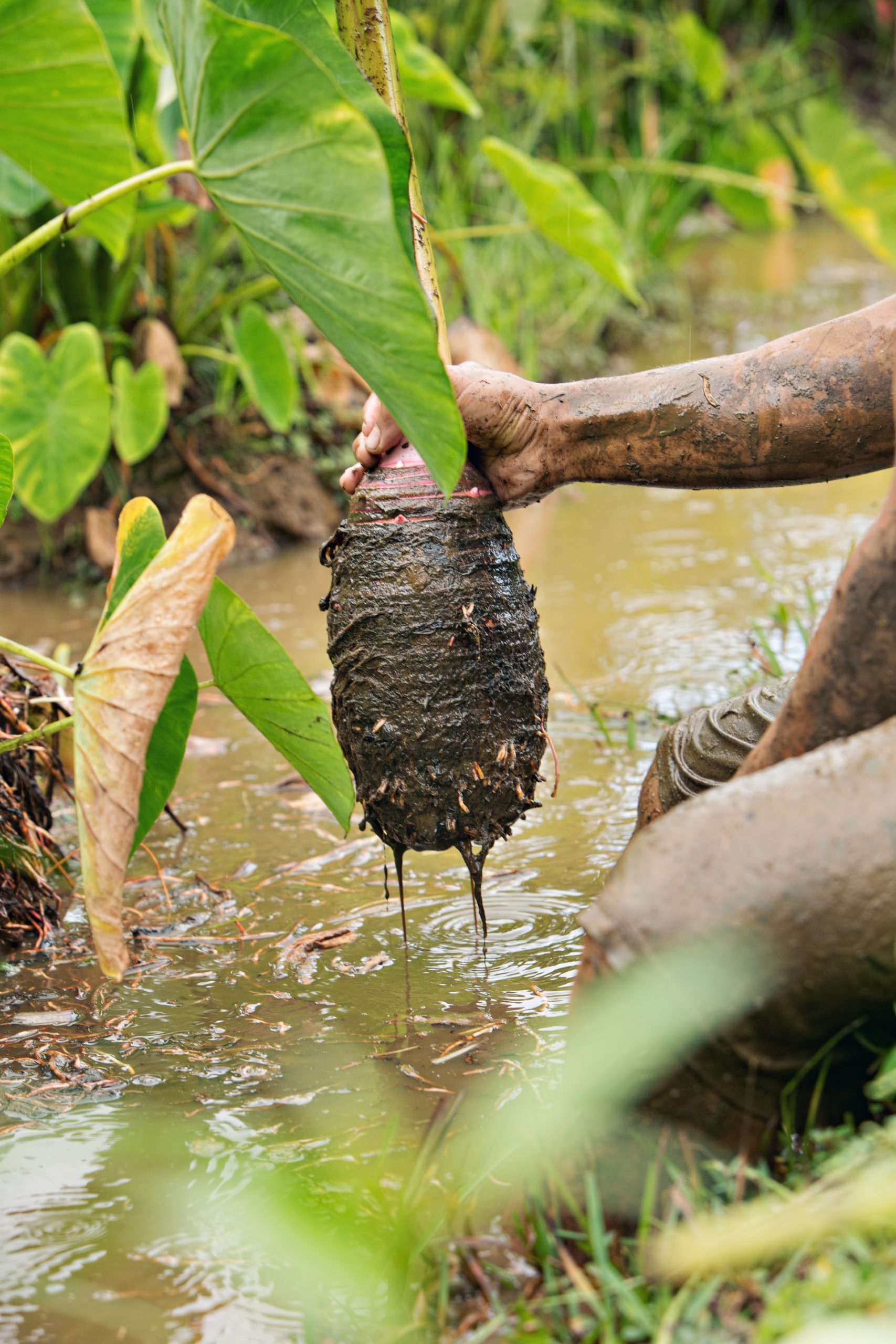
The moʻolelo of Hāloa deepens this teaching by showing the genealogical connection between kalo and kanaka. Hāloanakalaukapalili, the stillborn child of Wākea and Hoʻohōkūkalani, became the first kalo plant and the elder sibling to Hāloa, the first kanaka. From this story we learn that, as younger siblings, people are meant to care for their elder, while the elder sibling provides sustenance and life. Every part of the kalo has purpose—from the lau and hā to the kohina and kalo itself—nourishing us through many different foods. Its growth cycle of huli, mākua, and ʻohā reminds us of the importance of ʻohana and generational continuity. In return, we mālama ʻāina by weeding, fertilizing, planting with intention, and carrying good thoughts so that kalo continues to thrive.
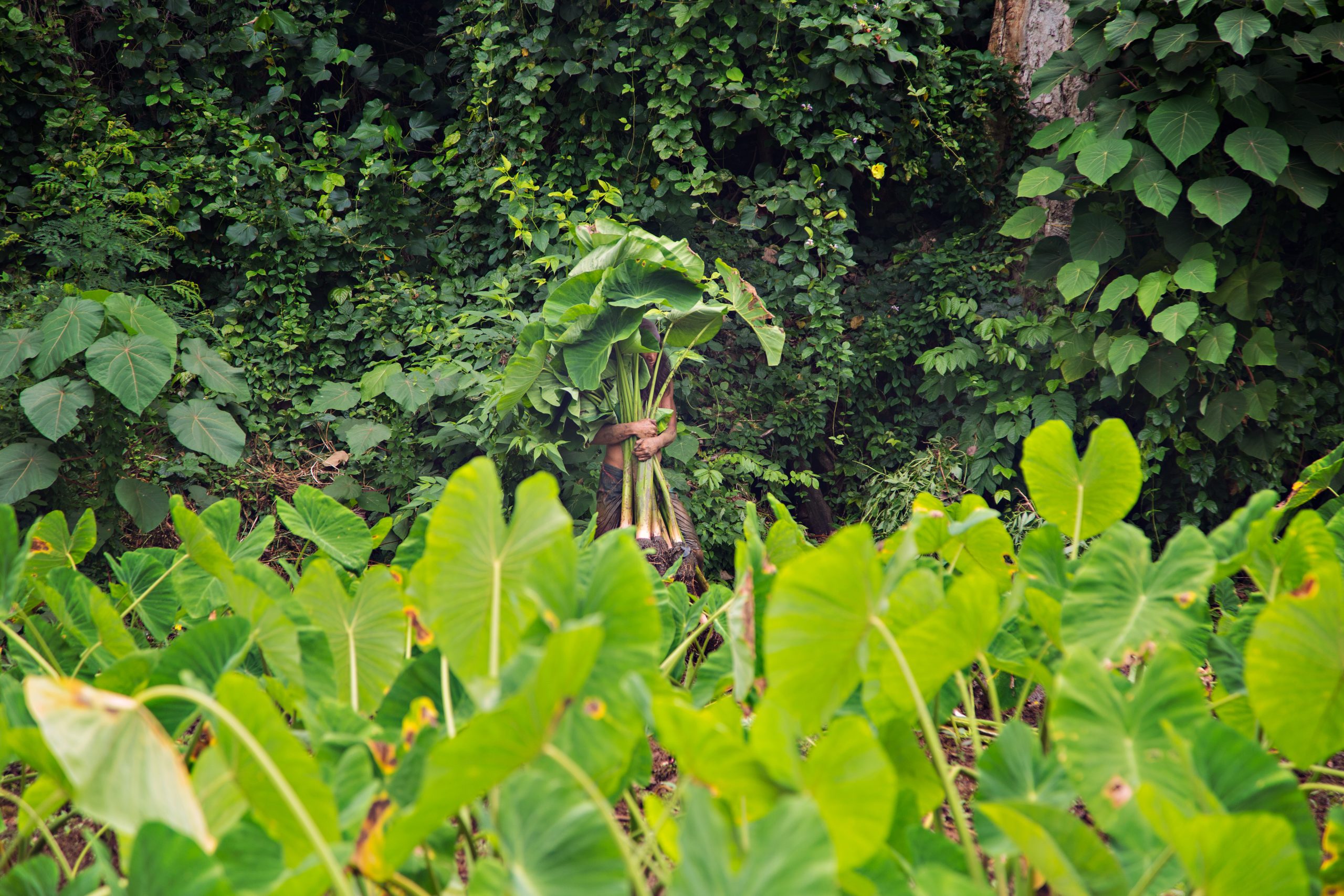
This reciprocal relationship is captured in the phrase nani ke kalo, which reminds us that when we are in the presence of such beauty and life-giving abundance, we must carry ourselves with respect for ourselves, for others, and for the food and land that sustain us.
The inquiry for this lesson then asks: What do the moʻolelo of Hāloa and the saying nani ke kalo teach us about Hawaiian values? Do we still hold these values today? And how might our society be transformed if we remembered the heart behind the saying, nani ke kalo?