
Written by Michele Wilhelm – April 23, 2020

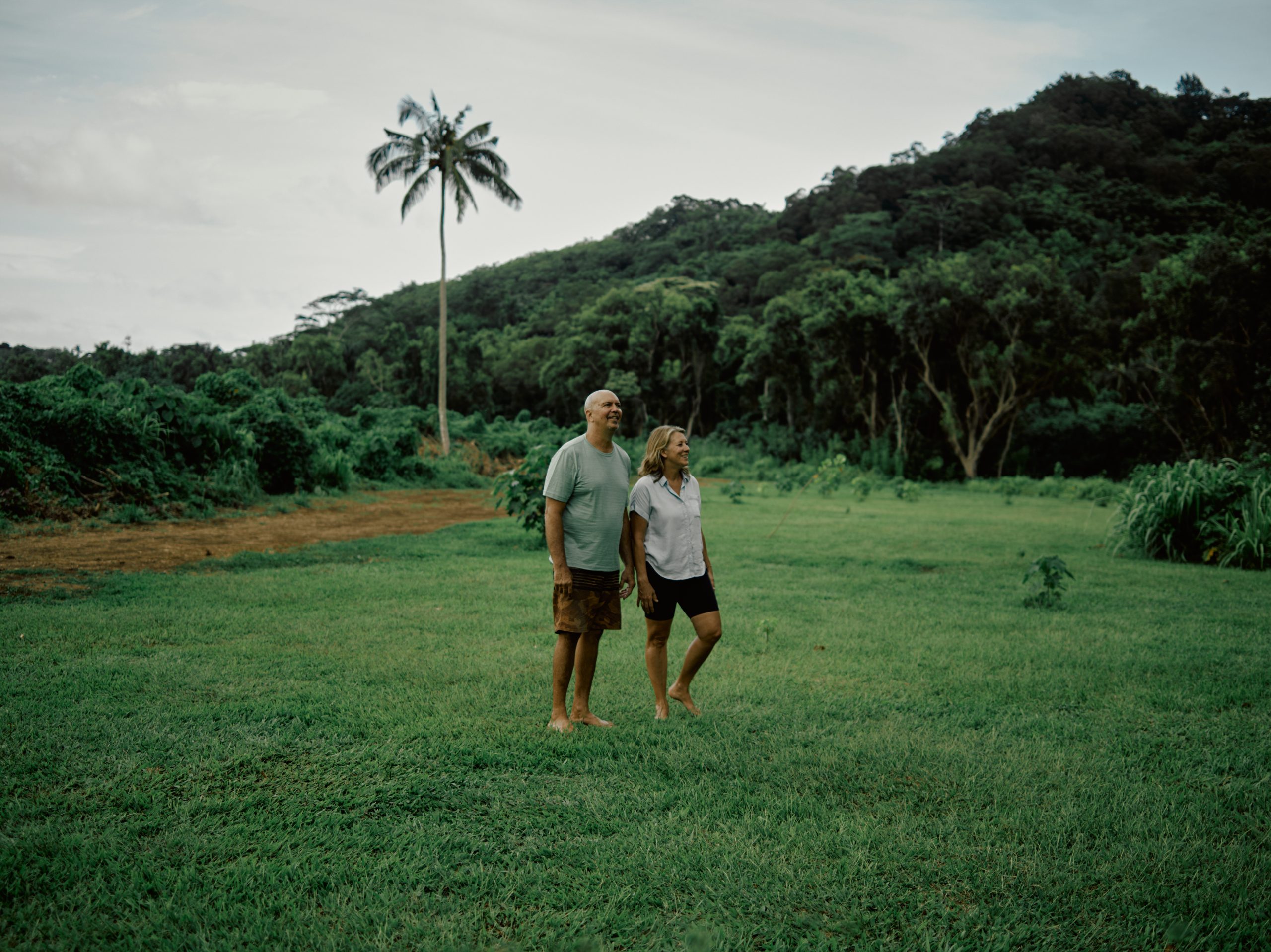
It was in 2002 that our vision for Kapalai began to unfold. At that time, Dean was working full time as a DOE teacher at the Hawaiʻi Youth Correctional Facility by day and performing as a Hawaiian musician by night. I was a stay-at-home mom caring for our three girls. We were happy living in our humble home in the Olomana subdivision, which we referred to as “Beavercleaverville,” perfectly content to spend the rest of our lives there. The neighborhood was an ideal environment to raise a family. A small garden kept our table full of fresh vegetables year-round with enough abundance to share. It was common for us to use the leaves from our kalo plants to invite friends over to prepare laulau and cook them in an imu. These gatherings always turned into celebrations of food, friends, and fellowship—mini neighborhood luaus in our carport. They grew so frequent and large that we eventually outgrew the space.
During this time, Dean, as an English teacher, was struggling to connect with his students who had little interest in the subject. He decided to plant kalo outside his classroom as a way to connect with the 75% of students who were Hawaiian. As the plants grew, so did their interest. Dean began shifting lessons to things they could relate to, such as breaking down rap to teach poetry and challenging them to write their own. Suddenly, they were engaged. As a reward, he led them in harvesting kalo leaves to make laulau. Most had never prepared the dish before, and they took pride in growing ingredients, cooking with their own hands, and sharing the food with teachers and staff. A breakthrough had occurred.
Back in our carport, Dean often shared heartbreaking stories about his students: drugs, violence, incarcerated parents, no stable home, and little access to food or showers. These kids were caught in a cycle of survival, many turning to substance abuse, and often incarceration seemed like a better option than their daily reality. The common thread was broken families. As we reflected on our safe bubble and our garden gatherings, we realized the healing power of food and fellowship. What if we could replicate this at a community level, not just with kids but with families and neighbors? Could food, kalo, and shared work help restore relationships and bring hope?
Theory of Change
Dean and I began talking seriously about multiplying our small garden plot a thousand times over and making it accessible to struggling families in the community. Our theory of change became clear:
- Create a safe, nurturing gathering space where families could do meaningful work, let down their guard, and feel hope.
- Help families connect with the land, themselves, and each other in ways that could restore self-worth and purpose.
- If this worked, healing would follow, self-concept would rise, and people would recognize the value of their lives.
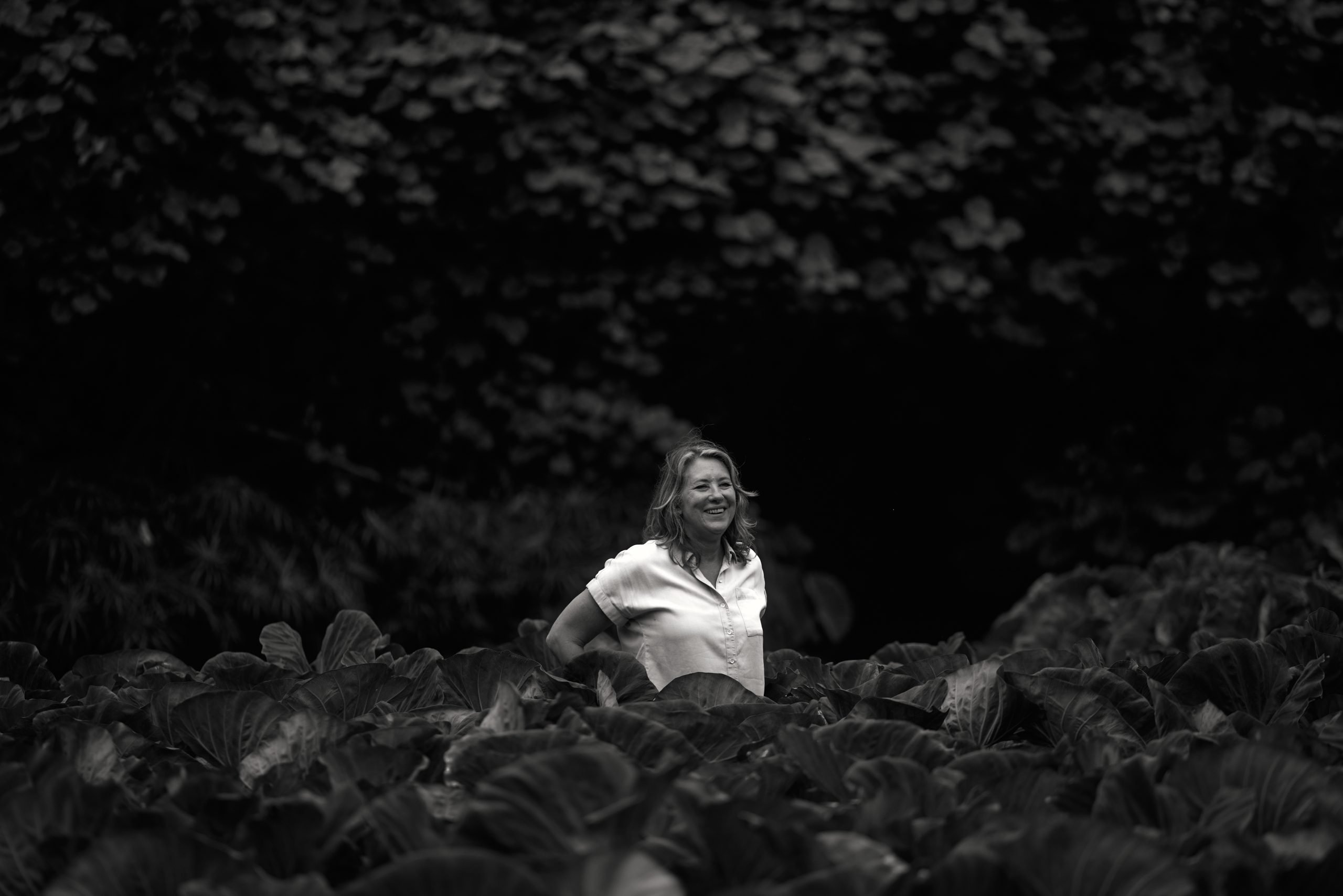
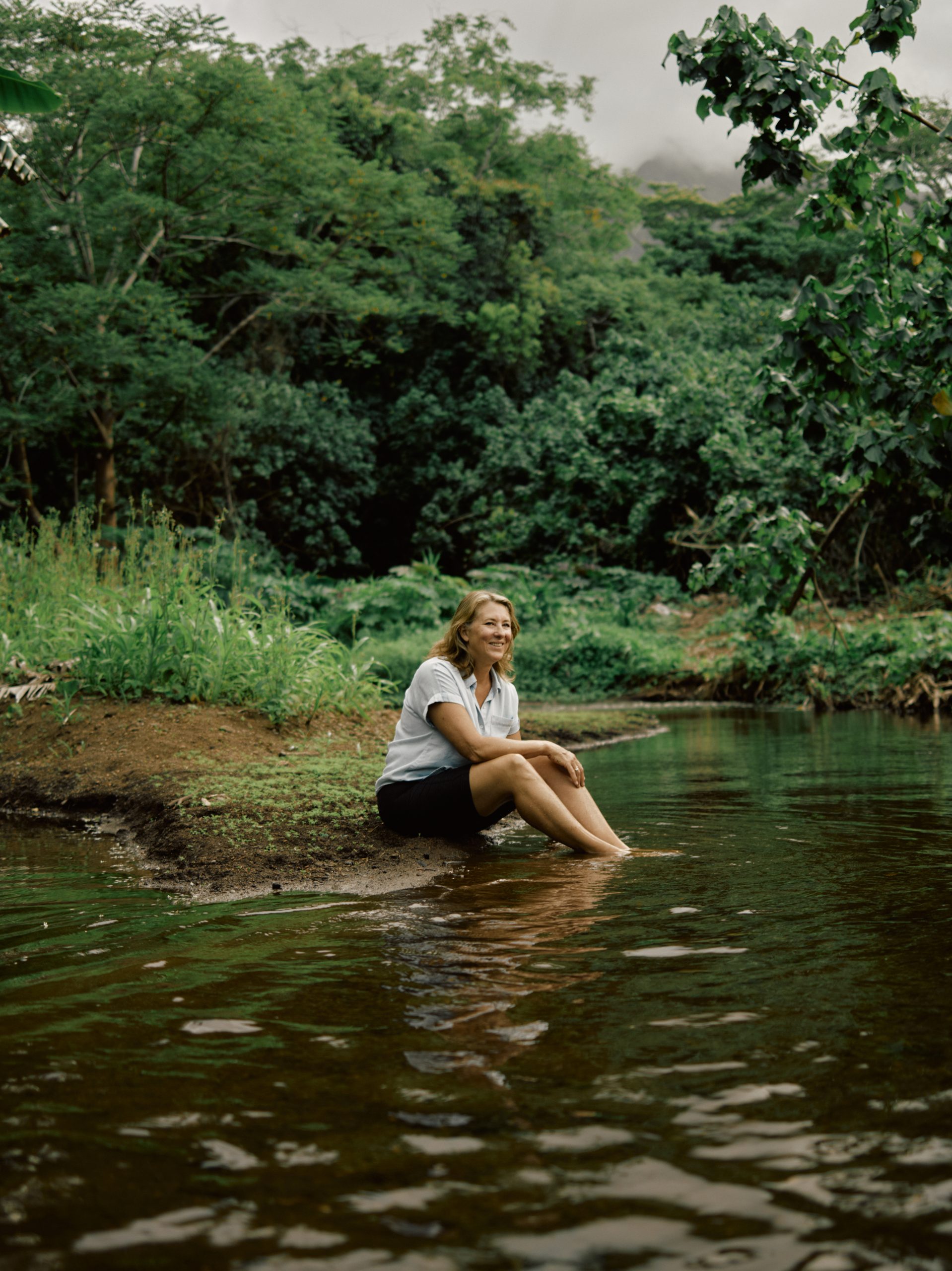
We had no idea if it would succeed. Friends suggested we join an established organization, but the call on our hearts was too strong to ignore. Within a year, we sold our house and stepped into a vision with no plan, no experience, and no backing, only faith and determination that God would provide.
Uncharted Waters
Our search for land began in 2003, just as the housing market skyrocketed. Within five months, the house we had sold was out of our price range, and every lead on agricultural land from Kaʻaʻawa to Waimānalo ended in disappointment. We moved into a 700-square-foot church caretaker’s home, thinking it temporary, but stayed for five years. At times we questioned if we had made a huge mistake.
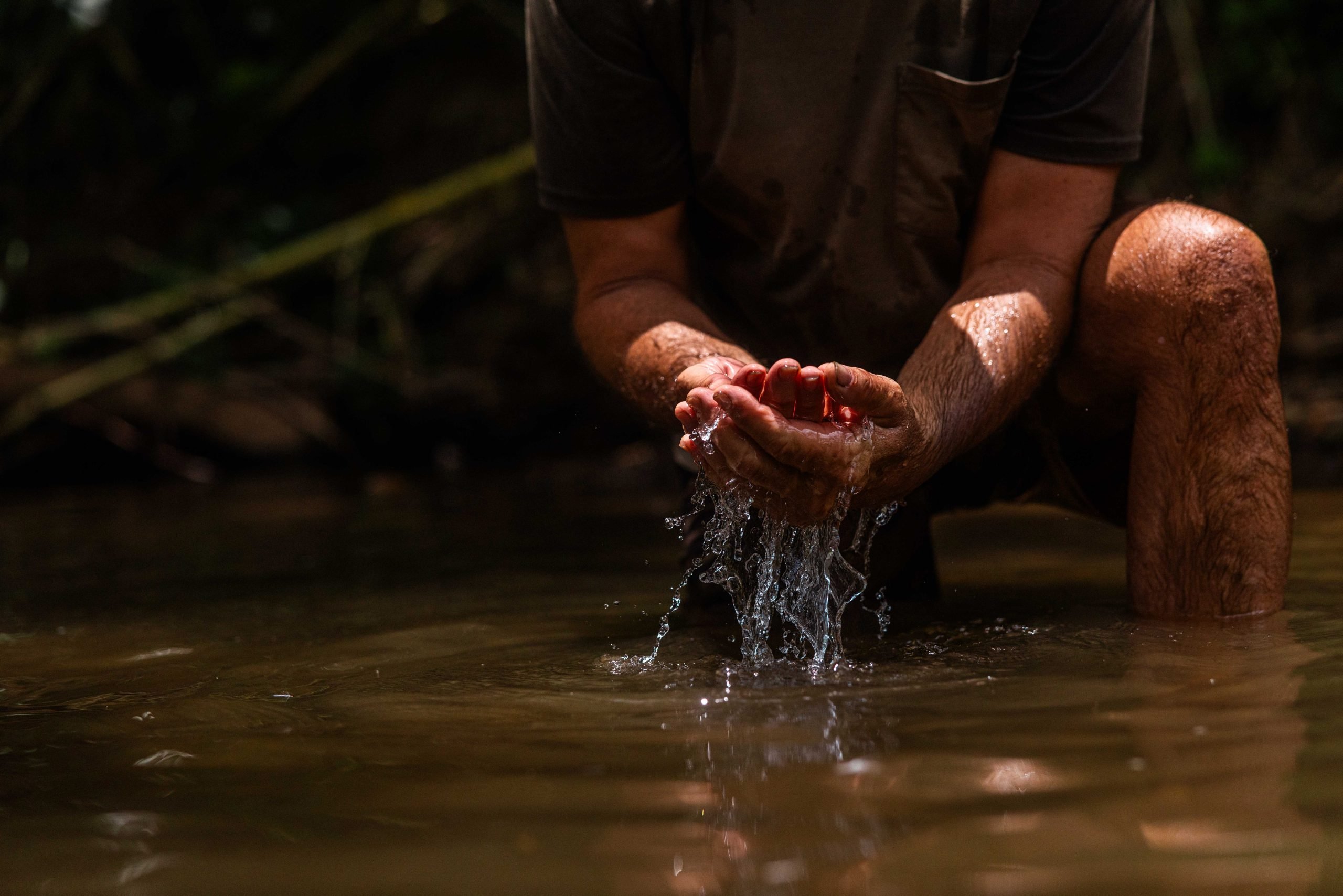
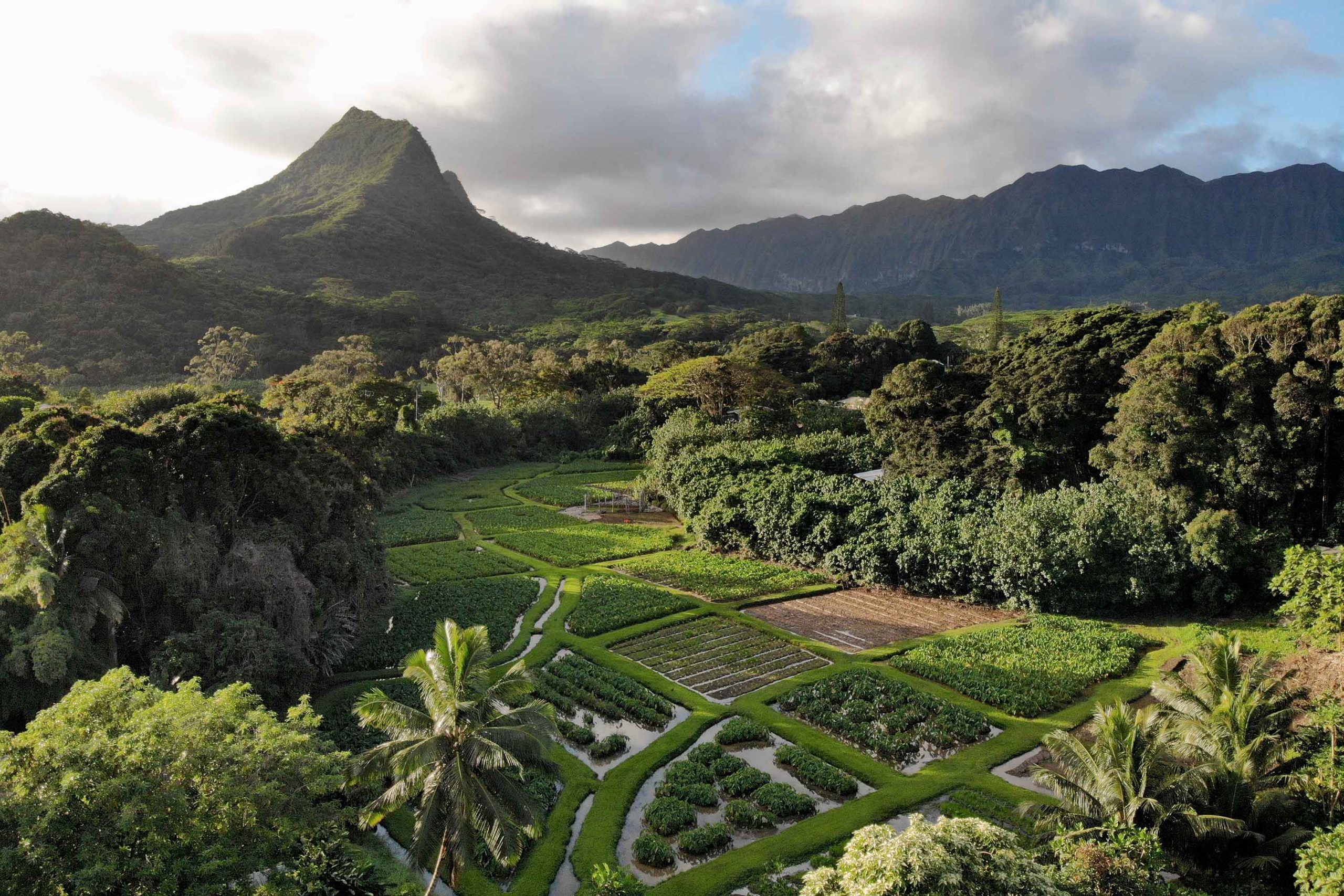
Then, in 2006, a friend suggested we look at land in Maunawili. It seemed unrealistic, but out of respect we went. From the moment we stepped onto Kapalai, I felt it from head to toe—this was it. The property was overgrown, untouched for nearly a century, but fertile and flowing with springs. It was a kipuka, an oasis in the midst of dense residential development. Against all odds, in August 2007 we signed papers for nearly eight acres in the heart of Maunawili. It was nothing short of a miracle.
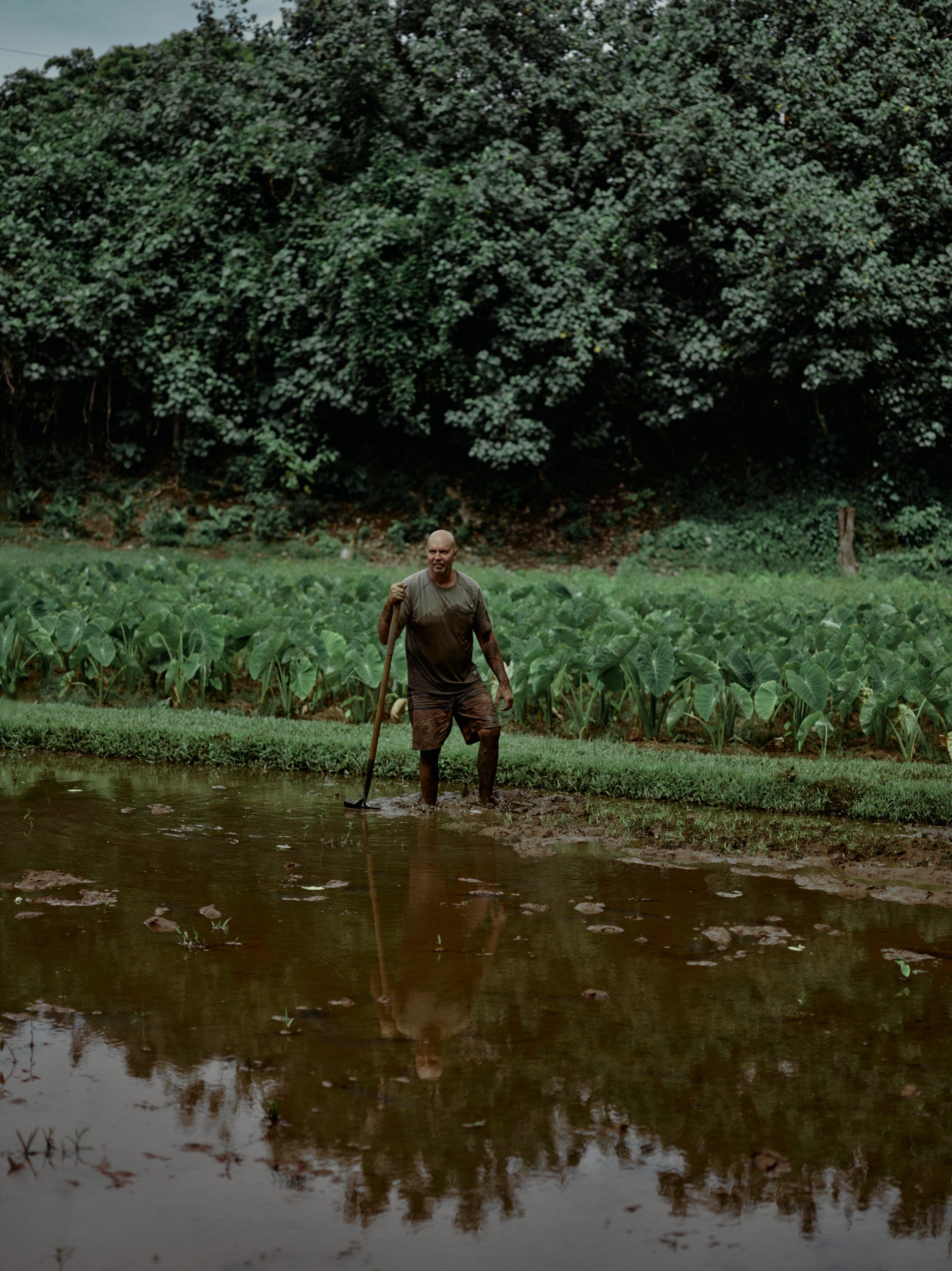
We spent three years clearing rubbish, building a road, putting in water and power, and opening our first loʻi with the help of volunteers. The ʻāina was blessed and given its traditional name, Kapunawaiolaokapalai, “the living springs of Kapalai.”
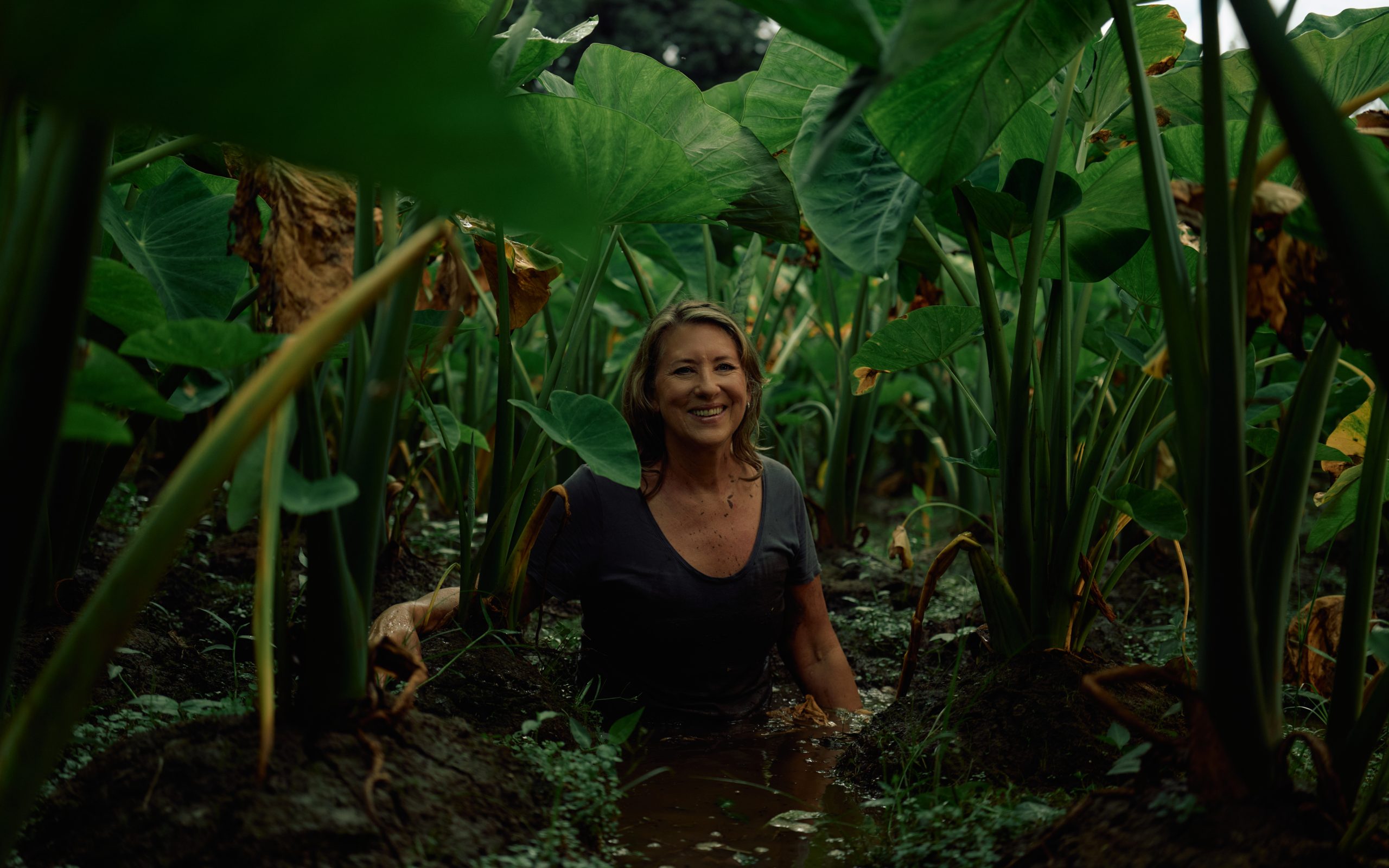
Building Hoʻokuaʻāina
The journey was not easy. For years we faced setbacks, discouragement, and moments of doubt, but each time, unexpected provision renewed our faith. In 2011, with guidance from Uncle Earl Kawaʻa, we formed Hoʻokuaʻāina, named to honor the cultivation of kalo and the values it teaches. With just a few loʻi, we began part-time programming for youth transitioning out of HYCF. Though unfunded, Dean’s former students eagerly joined for the experience of productive work—and sometimes a pizza.
With the support of advisors Andrew Aoki and Kina Mahi, we developed a clear strategic plan. By 2014, breakthrough funding from Consuelo Foundation and the Office of Youth Services allowed Dean to leave his job and serve full time as director, educator, and mentor. After seven years, we were finally doing the work we had dreamed of.
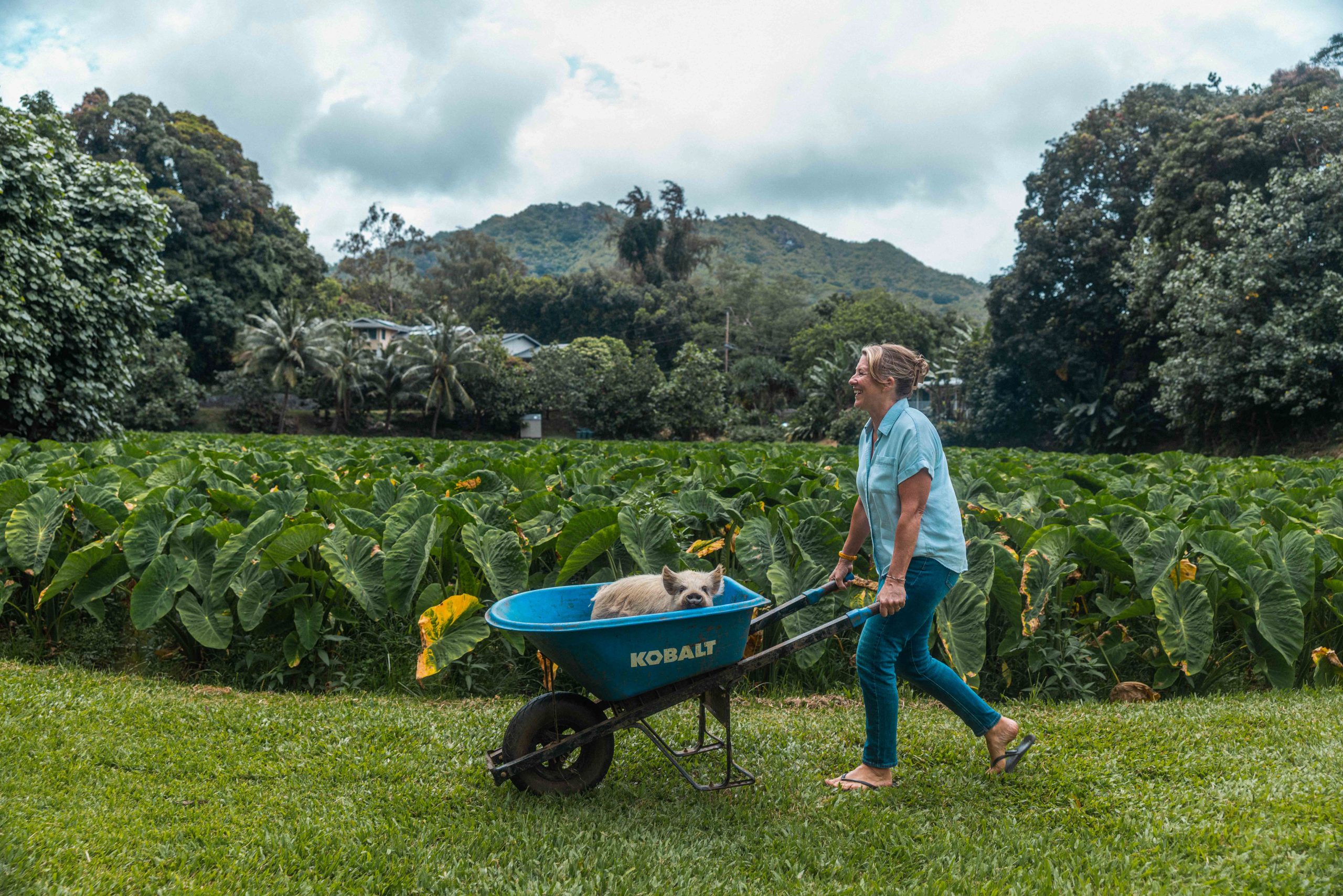
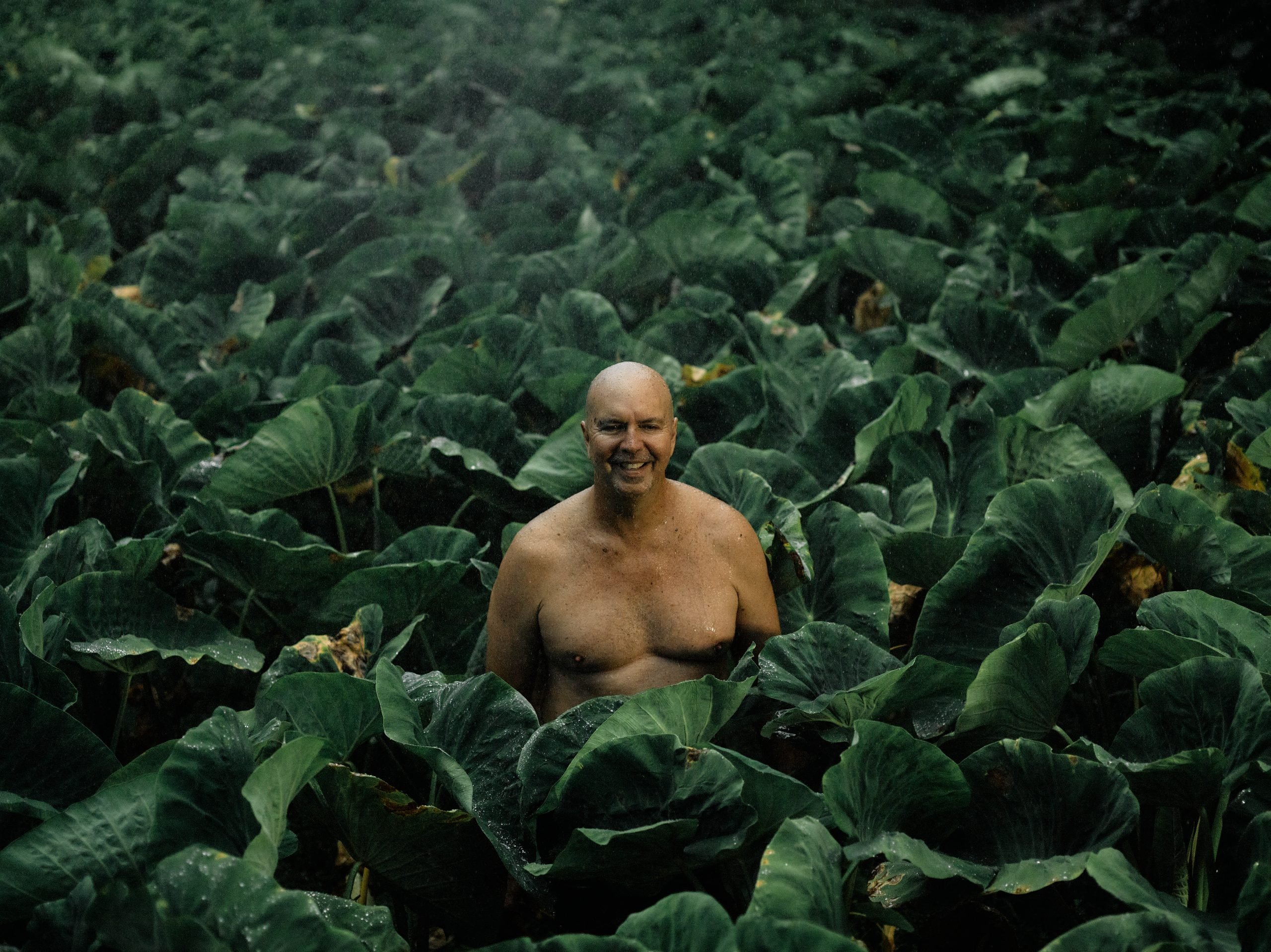
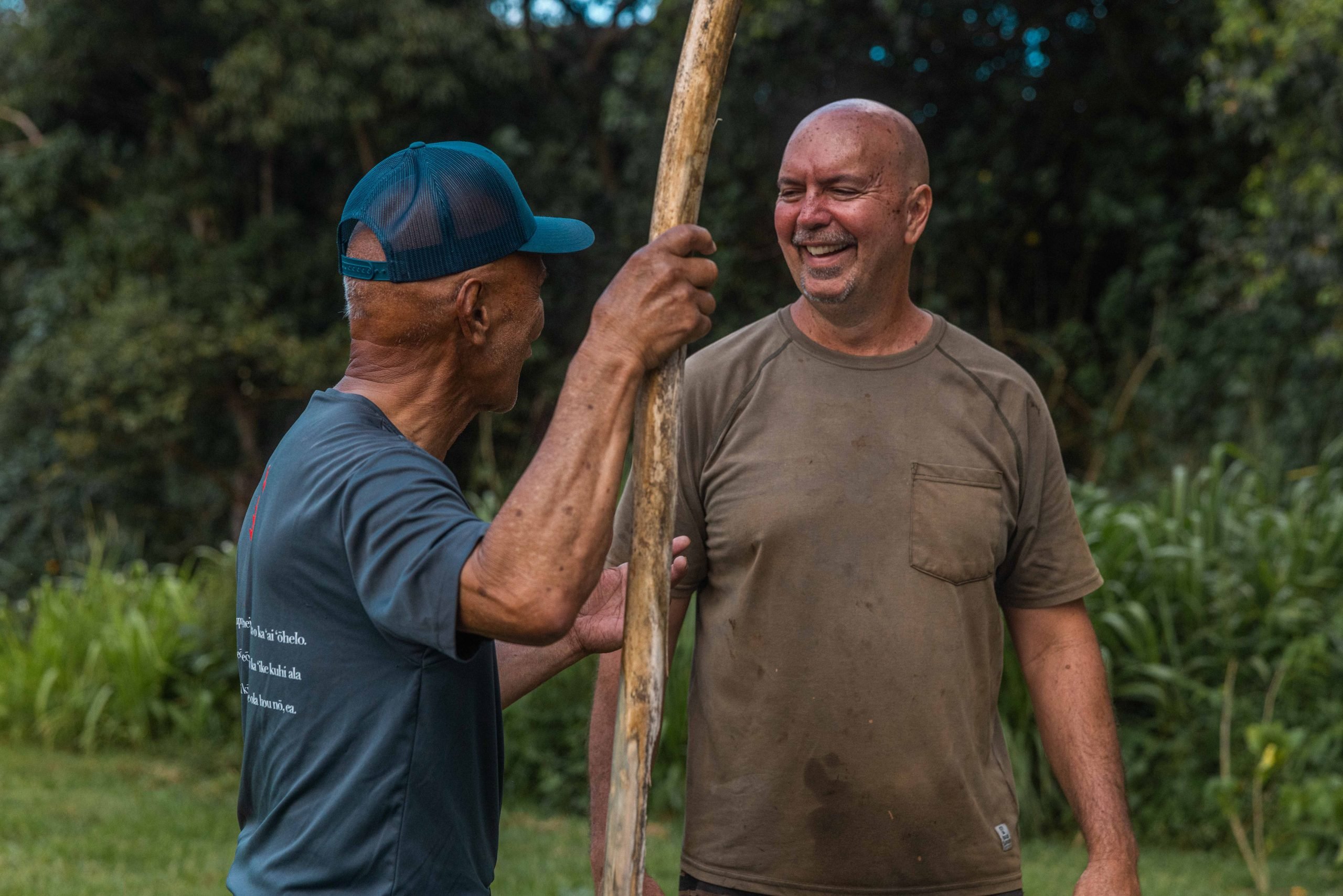
Looking back to those carport conversations, we are grateful we said yes despite the risks. Kapalai has become the gathering place we envisioned, now reaching 4,000 visitors each year. Our first official program, the Kūkuluhou Mentoring Program, remains at the heart of what we do, serving 20–30 youth annually with nine months of weekly life skills training. Since 2009, more than 200 young adults have participated in internships to gain technical training and leadership skills. Our Kupuohi ʻāina-based education program serves 1,500 students each year, K–12, and our staff has grown from one to nine. With 23 loʻi in production over three acres, we now harvest about 30,000 pounds of kalo annually, which also supports our programming.
A Season of Makaluhi
By 2020, after nearly two decades of toil, we chose to embrace a season of makaluhi. Literally translated as “tired eyes,” makaluhi is a time of rest or feasting after prolonged work. In the midst of a global pandemic, we took time to reflect on the journey, grateful for how far we had come. Kapunawaiolaokapalai, once dormant for nearly a century, had been brought back to life and now serves as a resource for connection, nourishment, and restoration.
For all who have contributed to this journey, we invite you to celebrate this season of makaluhi with us. The work is far from over, but we are filled with gratitude and anticipation. What was once only a dream in our carport has grown into a living vision, and we believe the best is yet to come.